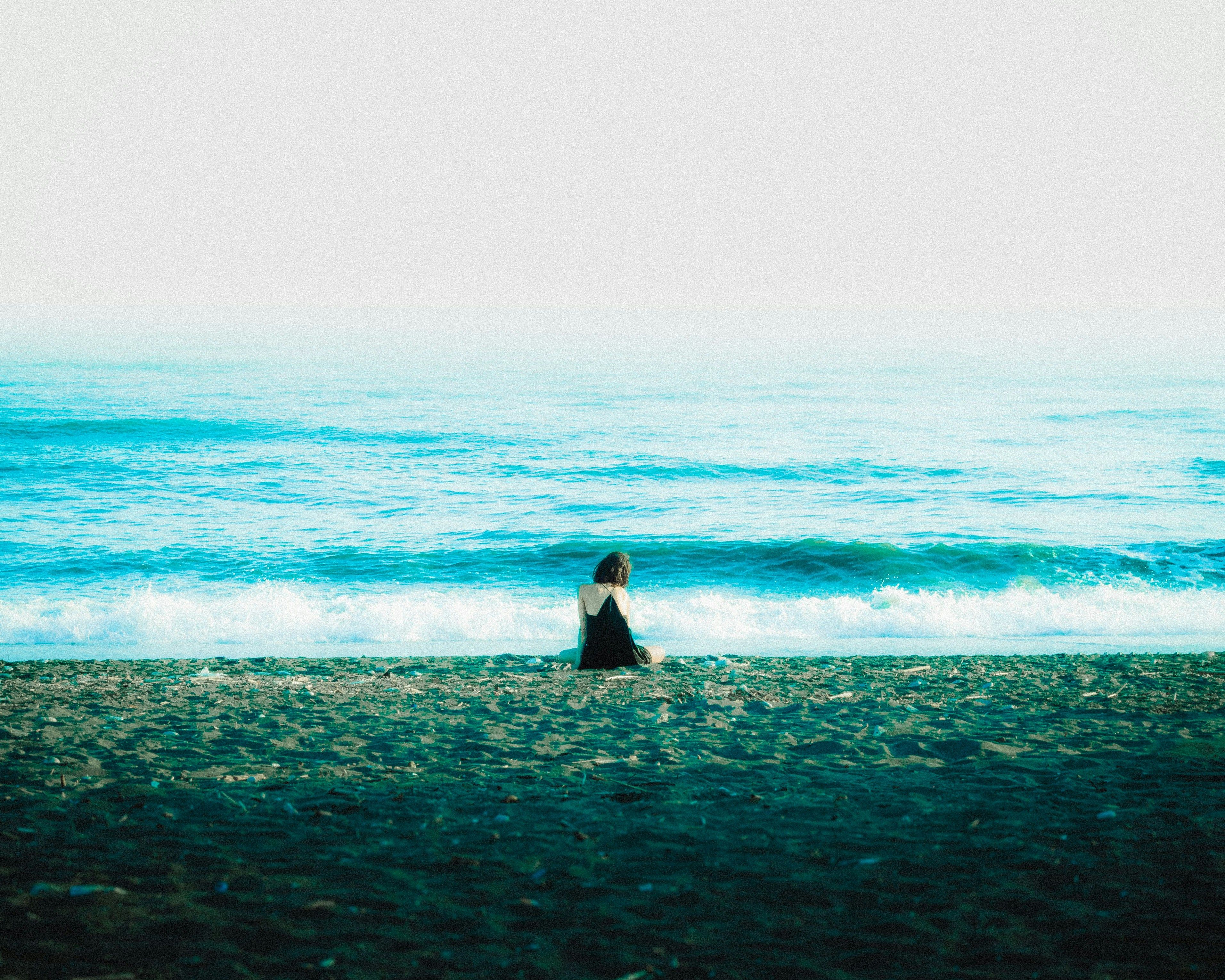
Spending many hours on ocean water tests the body in subtle ways. Whether you are standing on a rolling deck to watch for whales, paddling around headlands, or swimming through swells, your body is constantly adapting. The Australian Maritime Safety Authority has reported that the motion of the vessel, direct sunlight, and strong winds are environmental stressors that accelerate fatigue.
When you return to land after spending a whole day on the water, it triggers readjustments to your body. After docking feels like swaying, spines stay compressed, shoulders stay stiff from bracing, and skin moisture depletes due to salt and UV.
After an epic ocean adventure, proper coastal self-care will help you unwind, remove your sea legs, prevent joint strain and prepare you for your next trip.
1. Rebalance Your Neuromuscular System
The continued swaying sensation when on stable ground is named Mal de Débarquement. Your central nervous system spent a long time learning to interpret wave motion. It needs a solid grounding to readjust the vestibular system.
Don’t lie down right after docking. Remain standing for at least 30 minutes and perform these grounding exercises to achieve a deep state of relaxation.
- Fixed-Point Fixation: Stand barefoot on a firm surface, pick a still object in the distance and observe it breathing deeply for two minutes.
- Proprioceptive Activation: In order to give your nervous system the message that the ground is stable and safe, walk barefoot on the hard sand on the beach.
- Controlled Vestibular Drills: Slowly turn your head from side to side while keeping your eyes fixed on the object directly ahead (10-15 reps).
2. Target Muscle Strain and Structural Fatigue
When you brace against the waves, your core, glutes, and lower back are in constant isometric contraction and the shocks go straight to your spine. Neglecting this tension can lead to persistent hip and lower back stiffness that spoils holidays.
Decompress the Spine
Decompress your spinal discs within an hour of returning to land:
- Passive Hanging: Hang for 60 seconds with your feet lightly touching the ground under an overhead bar or sturdy branch. Release your hips down.
- Supported Child's Pose: Kneel on a mat, sit back on your heels, and reach your arms forward for two minutes.
Address Deep Tissue Fatigue
The ocean's pull creates tension in the pelvic and spine stabilizer muscles.
Targeted bodywork is one of the best ways to release tension and recover. For instance, if you are on the east coast of Far North Queensland, booking a remedial massage in Cairns can free up locked stabilizer muscles strained by deck impact and constant bracing.
Tailor your treatment to your physical needs:
- Deep-Tissue Reconstruction: Booking a structured remedial massage restores alignment and relieves lower back compression from pitching decks.
- Nervous System De-Escalation: Choosing a relaxing massage brings your cortisol levels back down to baseline after being elevated for hours by the sun, sea breezes, and boat vibration.
- Joint Mobilization: Watersports like kayaking lock shoulders and hips. Traditional Thai massage uses passive stretching to restore joint mobility.
- Targeted Traction: Working with a Thai massage therapist applies targeted pressure and deep stretching to relieve tight hamstrings after hours at sea.
3. Neutralize Dehydration and Reset Core Temperature
The wind, salt spray, and sunlight disguise fluids’ loss. The moisture drawn from your skin and lungs by the sea air reduces blood volume. At the same time, your core temperature regulation is disrupted by wind chill or heat exposure.
Thermal Contrast Shower
After landing, use a contrast shower to stimulate blood flow and flush out cellular waste.
- Warm Phase (3 Mins): Relaxes blood vessels and cleanses metabolic waste.
- Cold Phase (30–60 Secs): Constricts vessels, reduces joint inflammation, and restores alertness.
- Repeat: Cycle three times, finishing with a cold shower.
4. Repair Skin and Mucous Membranes
When salt water evaporates, it leaves micro-crystal deposits on the skin that intensify UV damage and strip natural oils.
- Rinse Tepidly: Shower with fresh water right away – do not scrub salt-sensitized skin.
- Cleanse & Hydrate: Gently wash away your sunscreen with a mild cleanser with natural ingredients. Use aloe vera gel or ceramide-rich moisturizer on damp skin.
- Protect Eyes & Lips: Make sure your eyes and lips are protected by applying a heavy layer of lip balm and rinsing your dry eyes.
5. Refuel and Embrace a Slower Pace
Maintaining your balance at sea quickly depletes muscle glycogen stores. Eat your recovery meal within two hours of docking and have 30–40g clean protein (fish, chicken), 50–70g complex carbohydrates (sweet potato, rice) and anti-inflammatory fats (avocado, olive oil).
After refueling, free your mind with a digital detox:
- Rest by the Water: Take a seat in the shade by the calm bay and unwind while listening to the gentle waves and fresh air.
- Prioritize Sleep: Prioritize rest by keeping evening activities low-key, giving your mind and body space to fully reset.
- Slow Down: Taking low-key days is what sets a normal trip apart from the perfect beach vacation.
Ready for Your Next Trip
Following these post-ocean steps helps ease muscle soreness, protects your skin, and restores your energy. Ready to plan your next sea adventure or need personalized advice? Contact the WhaleFree team to speak to a coastal expert.